Don't wait another day to get relief.
We offer same or next-day appointments so you can start your journey to feeling better right away.

Back pain (chronic): Ongoing back pain that lasts for 3 months or longer and may affect daily activities.
Bulging or herniated disc: A spinal disc that has shifted or ruptured, sometimes pressing on nearby nerves and causing pain or numbness.
Cervical spondylosis: Age-related wear and tear in the neck that can lead to stiffness, pain, or reduced movement.
Sciatica: Pain that travels from the lower back down the leg, caused by pressure on the sciatic nerve.
Spinal cord trauma: An injury to the spinal cord that can affect movement, feeling, or body function below the injury.
Spinal stenosis: Narrowing of the spaces in the spine, which can put pressure on the nerves and cause pain or weakness.
Spinal tumor: An abnormal growth in or near the spine that may press on nerves or the spinal cord.
Spondylolisthesis: A condition where one bone in the spine slips out of place onto the bone below it, which can cause pain or instability.
We offer same or next-day appointments so you can start your journey to feeling better right away.
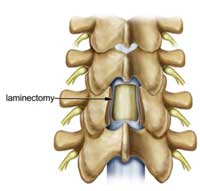
This surgery is used to treat conditions like a herniated disc, sciatica, spinal stenosis, and spondylolisthesis. It works by relieving pressure on the nerves in your lower back, which can help reduce pain and improve movement.
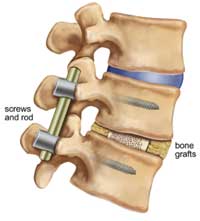
This surgery helps stop painful movement in the spine. It joins two or more bones in your back using bone grafts and sometimes screws and rods to provide support and stability.
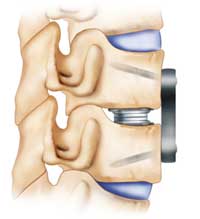
This surgery removes a damaged disc and replaces it with an artificial one, often made of metal. Unlike a spinal fusion, it helps maintain normal movement between the bones in your spine.
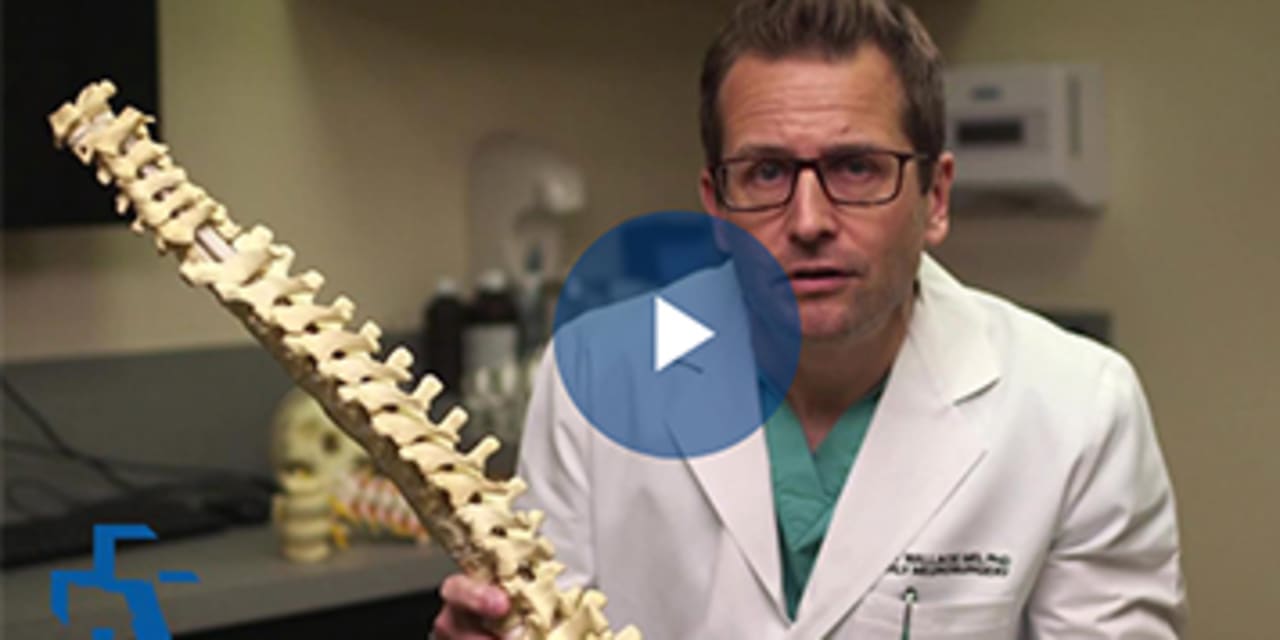
The culprit could be lumbar spinal stenosis, which can be fixed with a minimally invasive procedure.
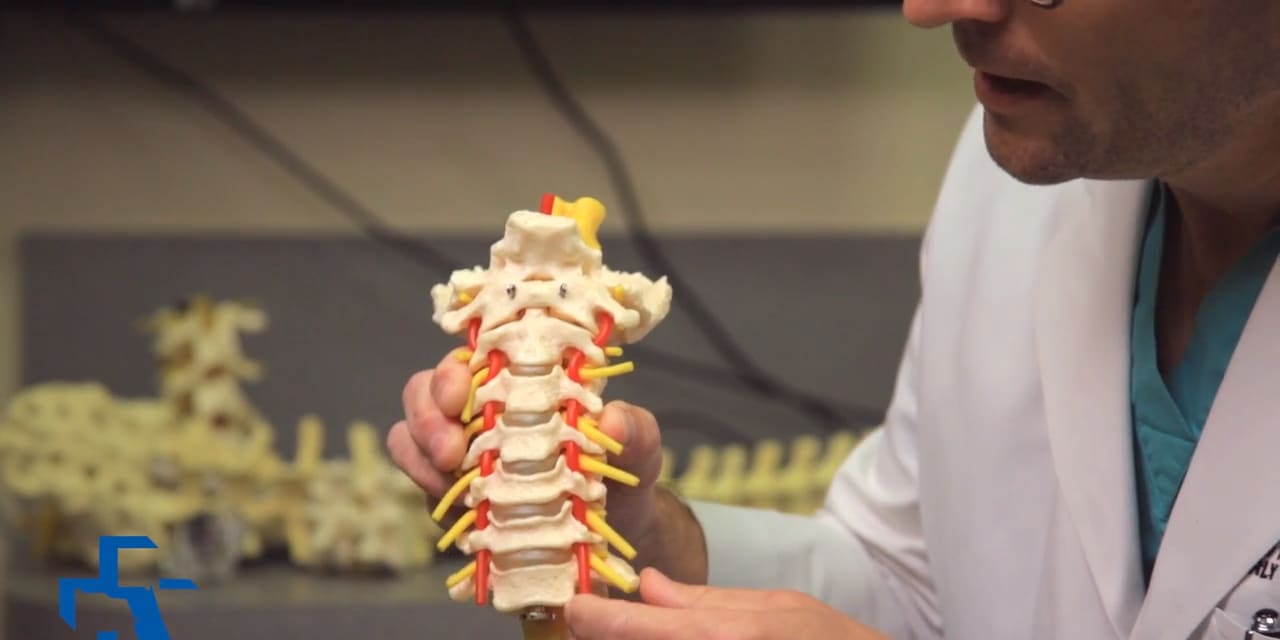
There are two major categories in which you can have pain related to your cervical spine.
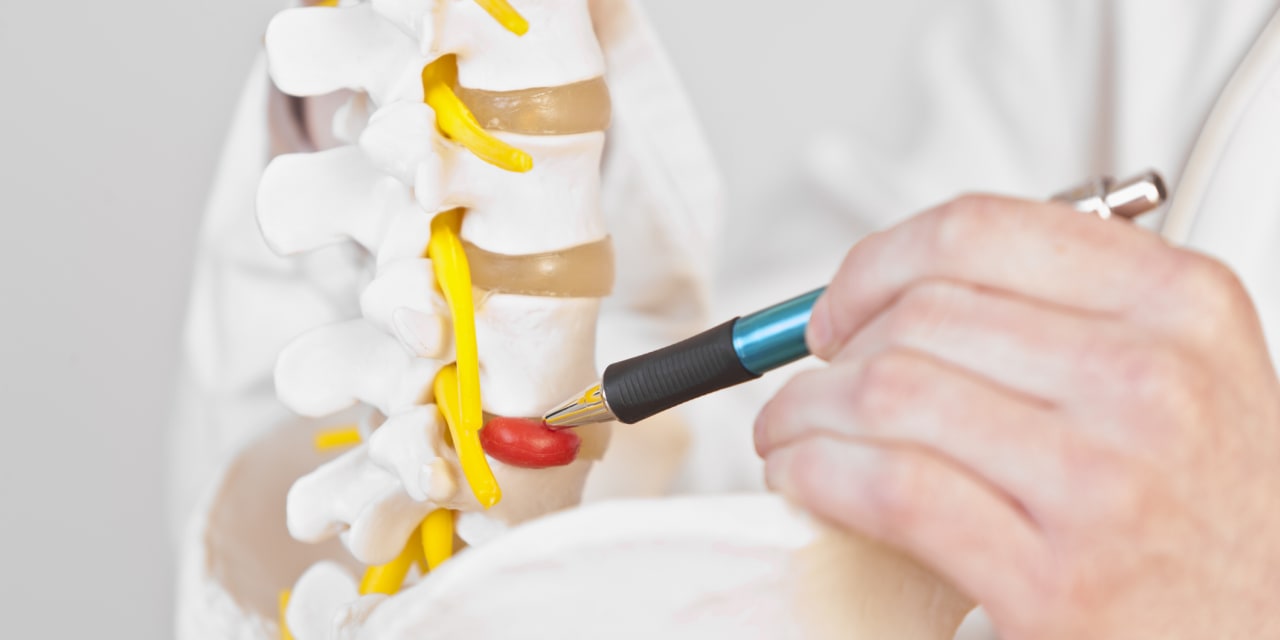
Lumbar disk herniation is very common. In this video, we'll discuss the underlying root of the problem and various treatments.
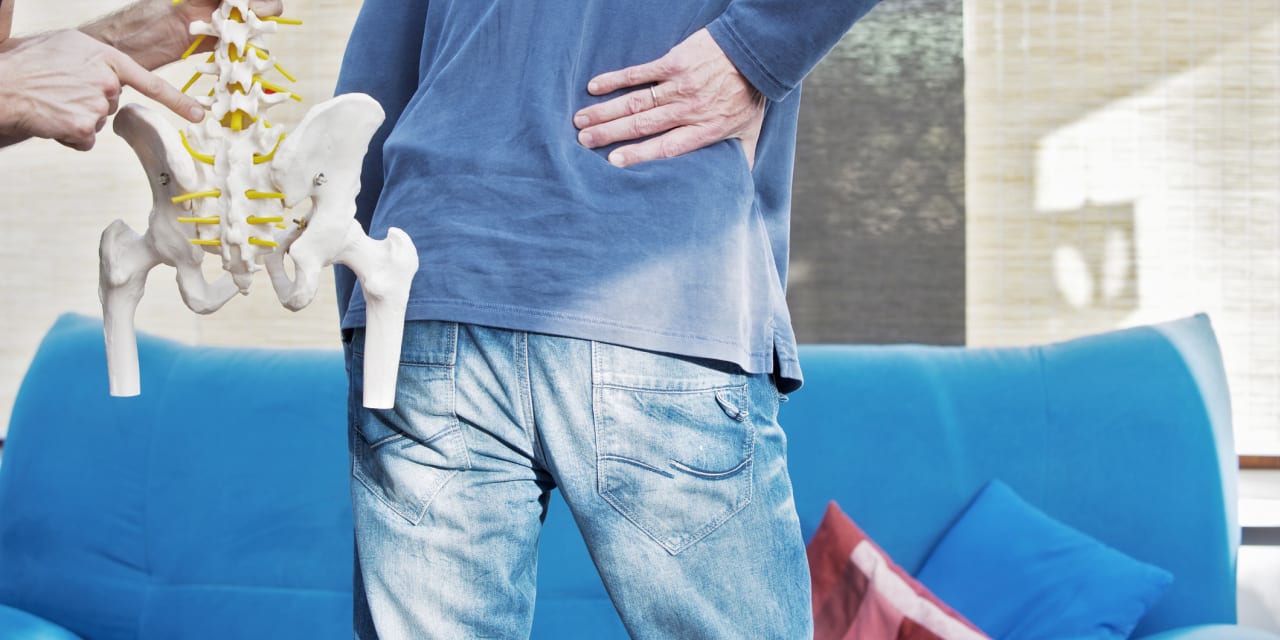
TLIF, or Transforaminal Lumbar Interbody Fusion, is a type of minimally invasive procedure to help alleviate pressure on the nerves in your spine and relieve your back pain.
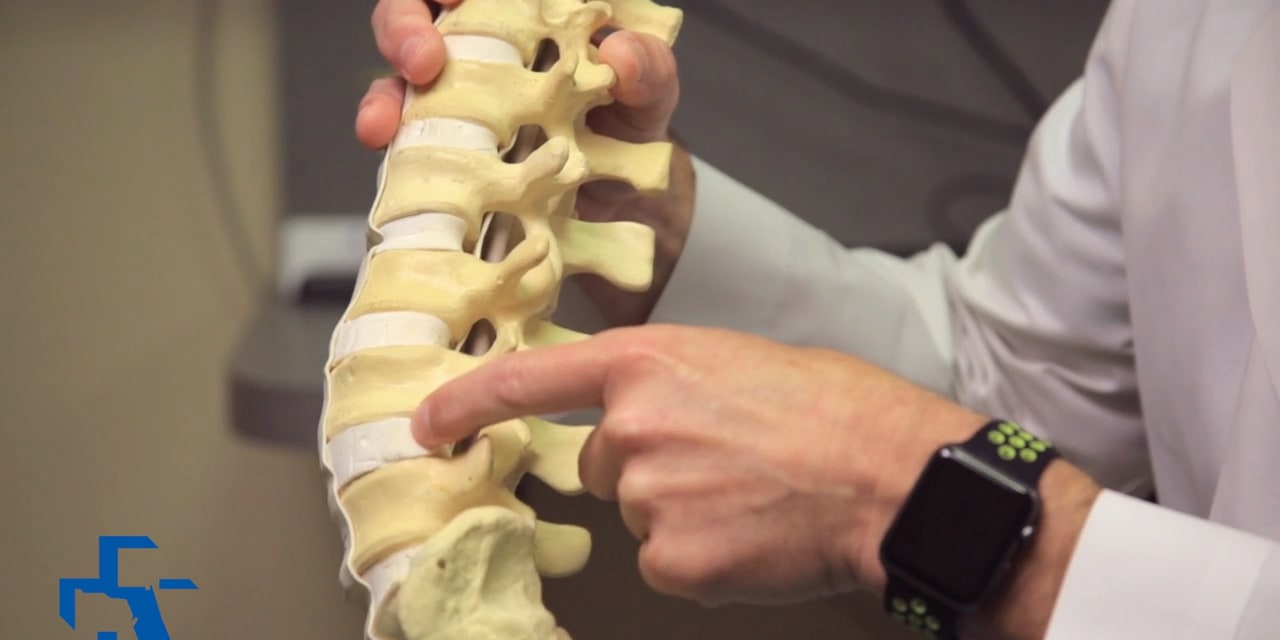
Generally, an XLIF, or an extreme lateral fusion, is done with the patient on their side and is a procedure to help alleviate significant instability of the spine and back pain.