A yellow warning sign
A barber's keen eye led to pancreatic cancer diagnosis.
Article Date:
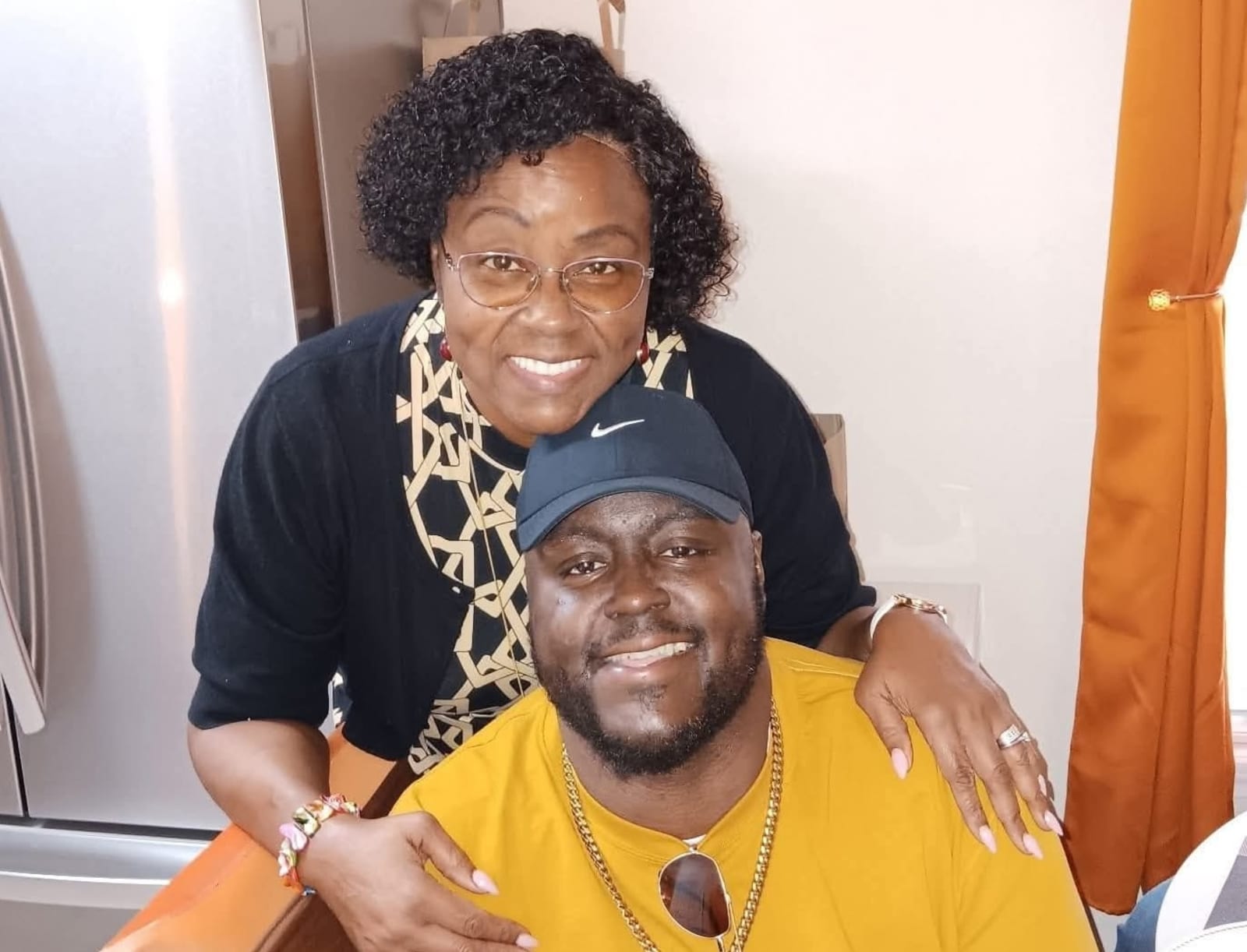
When Theo Clinch sat down in his barber’s chair in the spring of 2025, he had no idea that a simple observation would begin a journey that would change his life. His barber noticed something unusual.
“The first thing he said was that my eyes looked yellow,” Clinch recalled.
At first, Clinch didn’t think much of it. But as days passed, other symptoms began to appear: stomach pain, fatigue and a growing sense that something wasn’t right.
Then, on Easter Sunday, while sitting in church with his family, his son said the same thing.
“He looked at me and said, ‘Dad, your eyes are yellow.’ That’s when I started to get worried,” Clinch said.
A few days later, Clinch went to the Emergency Room at Baptist Medical Center Jacksonville. A nurse asked what brought him in, but as soon as she looked at him, she had an immediate concern.
Imaging revealed devastating news: a tumor on Clinch’s pancreas and a mass on his liver. At just 45 years old, Clinch was diagnosed with pancreatic cancer.
Staying strong with a plan
Clinch was referred to Baptist MD Anderson Cancer Center, where his care team quickly assembled a treatment plan designed specifically for his case.
Under the guidance of medical oncologist Tom Dragovich, MD, Clinch’s tumor was tested for cancer-specific gene mutations, and it was discovered that he may benefit from adding an immunotherapy drug to his chemotherapy. He began treatments every other Wednesday, each session lasting five hours. When he left, the treatment didn’t stop.
“They’d send me home with a pouch so the chemotherapy could keep going through Thursday,” Clinch said. “Then on Friday, I’d come back and they’d disconnect it.”
He completed nine cycles of chemotherapy and immunotherapy. The treatments weren’t easy; Clinch lost significant weight and struggled to eat, but he leaned heavily on the people around him.
“My wife was there every moment,” he said. “She stayed the night with me in the hospital. My kids, my dad, my friends – everybody supported me.”
Clinch also found strength in his faith.
“There were times I thought, ‘this might be the last time I see my family,’” he said. “But I prayed a lot. I listened to encouraging music. I just kept telling myself to stay strong.”
A remarkable turn
Months into treatment, imaging revealed a glimmer of hope: the immunotherapy and chemotherapy were working.
The tumors had shrunk significantly, now opening the door for surgery that had once seemed impossible. Surgical oncologist Konstantinos Chouliaras, MD, evaluated Clinch’s case and determined he could be a candidate for a Whipple procedure, one of the most complex operations performed for pancreatic cancer. The procedure involves removing the head of the pancreas and may also include parts of the small intestine, bile duct, gallbladder and sometimes the stomach that are interconnected. Reconstruction is needed afterward to restore digestive function.
Clinch appreciated the way his care team approached his treatment.
“Dr. Chouliaras was very straightforward,” Clinch said. “He told me exactly what was going on and what needed to happen. I appreciated that honesty and his confidence.”
“Clinch’s case highlights the power of precision oncology,” said Dr. Dragovich. “We were able to discover the ‘Achilles heel’ of his cancer by doing special cancer gene testing on his tumor. We closely monitored his response to treatment and used that data to guide every step. By working collaboratively across specialties, we were able to tailor his care in a way that ultimately made surgery – and a remarkable outcome – possible.”
In October, Clinch underwent surgery. For 12 hours, Dr. Chouliaras and the surgical team worked to remove the cancer. Clinch’s family waited anxiously.
Then came the moment everyone hoped for. One week later his pathology results arrived: there was no evidence of residual viable cancer.
Getting back to the day-to-day
Today, Clinch is regaining his strength and returning to the life he loves. These days, you’ll often find him at the gym.
“I go three or four times a week. My health is good now,” he said. “I can eat what I want again.”
But the biggest change has been his outlook on life.
“Going through something like this changes you,” Clinch said. “You realize how precious life is.”
“What makes cases like Clinch’s so meaningful is the level of coordination behind the scenes,” said Dr. Chouliaras. “Every step of his care was discussed in our multidisciplinary tumor board, where experts across specialties came together to evaluate his progress and adjust the plan in real time. That team-based approach is what made surgery possible and led to such an extraordinary outcome."
A story bigger than one patient
Clinch’s journey is the result of multidisciplinary precision oncology care, where specialists work together to continuously evaluate, adapt and personalize treatment for each patient. From tumor board discussions to chemotherapy planning and complex surgical intervention, every step of his care was coordinated with intention.
For patients facing complex cancers, that level of collaboration can make all the difference.
Now, he hopes his story will encourage other patients facing frightening diagnoses.
“Throughout my treatment at Baptist MD Anderson, I never heard anything negative,” he said. “The nurses were always encouraging. The doctors were confident, and that made me confident, which was a crucial part of my recovery.”
He added, “It made me want to be an inspiration. I’m a walking miracle.”
His advice is simple but powerful.
“Stay encouraged. Talk to God. No matter what you’re going through, you have the strength to get through it.”
When you need answers, we're here to help. Discover advanced cancer treatment options and compassionate care at Baptist MD Anderson Cancer Center.