Herd is the word
How herd immunity protects vulnerable people.
Article Date:
If articles about measles, vaccine schedules and all things child health are filling up your social media feeds, you’re not alone. It can be hard to sift through the infinite pages of information online to figure out what’s real, what’s not and what’s right for your family.
“My advice is to always start with your child’s pediatrician or your own primary care doctor,” said Mark Toney, MD, vice president of Medical Affairs for Wolfson Children’s Hospital. “Those providers can look at your personal health histories and provide guidance on what’s recommended for both you and your children.”
There are certain people, however, who can’t get some vaccines. For those individuals, herd immunity becomes a lifeline.
What is herd immunity?
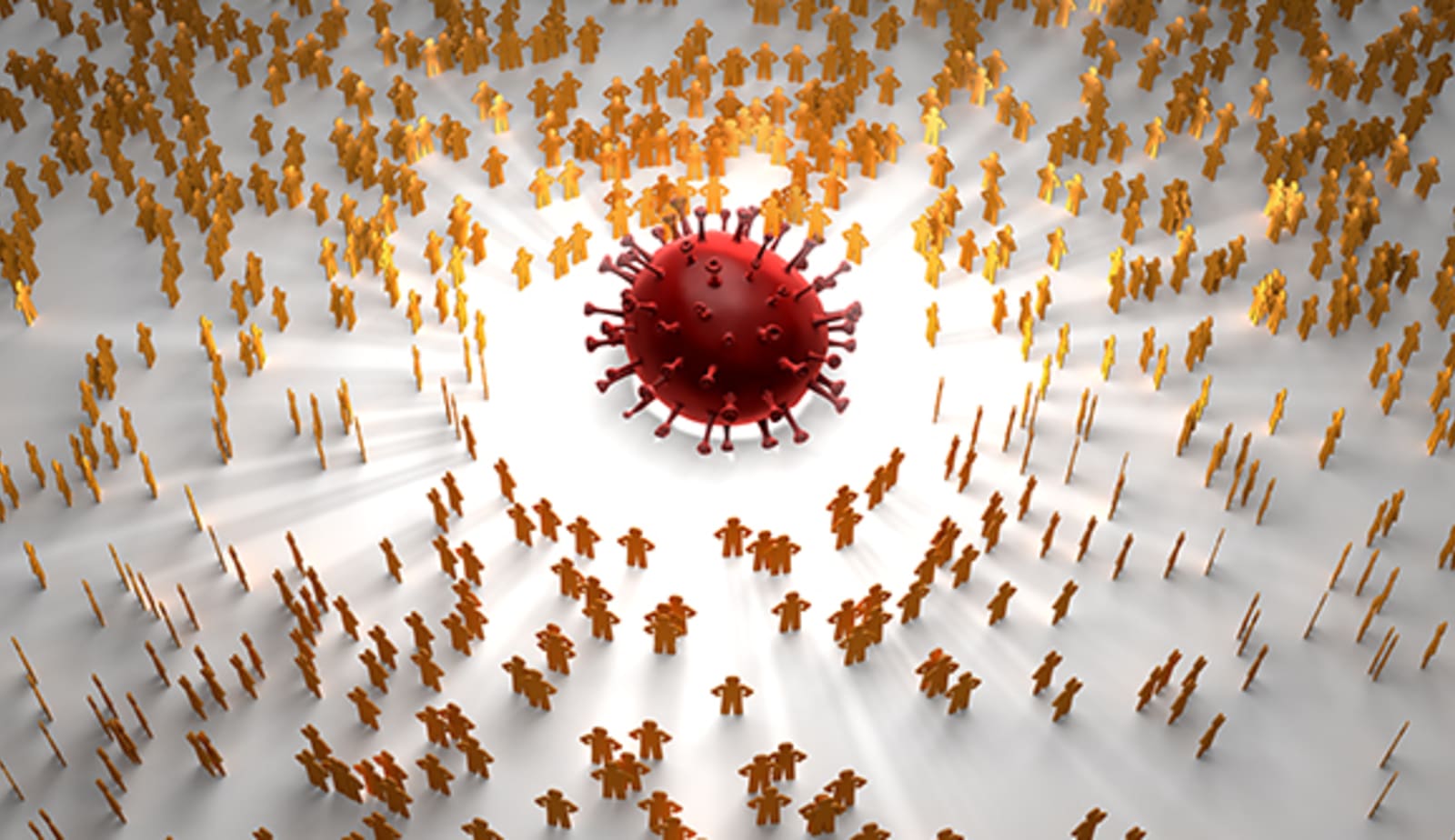
Herd immunity happens when enough people in a certain population have become immune to an illness – either because they’ve already been infected and recovered or, in the majority of cases, because they've been vaccinated – to protect those without immunity.
That key threshold can vary based on the disease. With measles, for example, herd immunity is reached when around 95% of the population has immunity, while for polio it’s around 80%, according to the World Health Organization.
Dr. Toney said herd immunity helps protect those who can’t receive a vaccine.
“There are people who are allergic to components of vaccines, or those who are immunocompromised due to cancer, other conditions or medications that suppress the immune system,” he said. “We also have to think of newborns and infants who may not be old enough to receive certain vaccines. Lastly, there’s a small portion of vaccinated individuals who may not build a strong immune response.”
What happens if herd immunity is lost?
Herd immunity isn’t permanent; it can be lost if the immune population falls below that critical threshold. This can happen when many people opt out of vaccination, a new variant emerges or natural immunity from a virus wanes over time.
In these cases, the virus can spread more easily and infect those who were once protected by the “herd.”
“Herd immunity provides potentially life-saving protection for a lot of people,” Dr. Toney said. “If that’s lost, they could be at risk for serious or life-threatening illness. We could also see a resurgence of diseases that have previously been considered eradicated.”
We know you have questions about vaccines. To discuss what’s right for you and your family, make an appointment with your child’s pediatrician or your primary care doctor. To make the most of your conversation, visit WolfsonChildrens.com/TalkVaccines for ideas about helpful questions to ask before, during and after the appointment. To find the right doctor for you, click here or schedule an appointment online.


