An ‘epic cure’ to food waste
Couple uses finance skills to serve up nutrition for the body and soul.
Article Author: Deborah Circelli
Article Date:
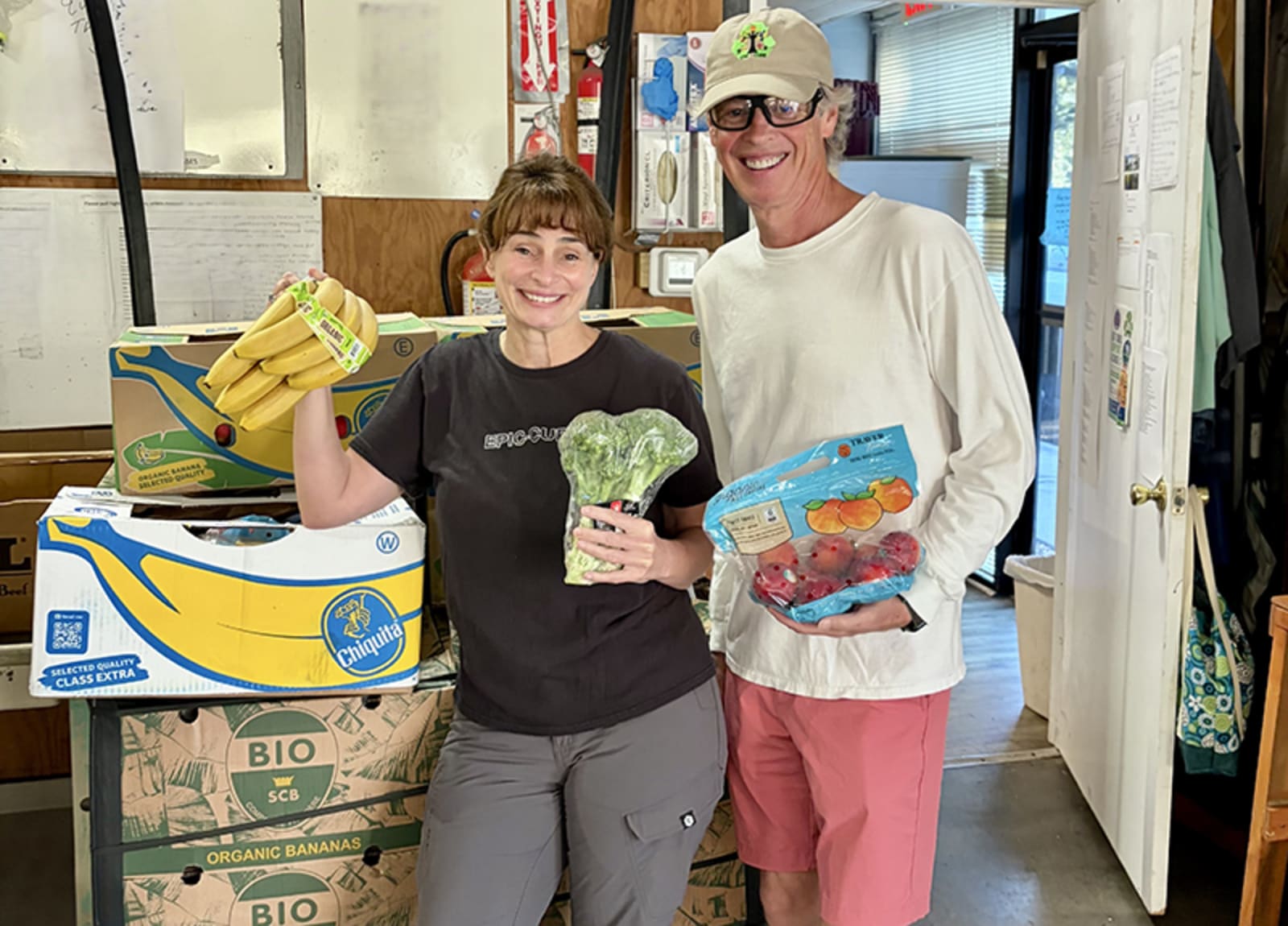
Working in the finance industry, where there are strict checks and balances and accounting for every penny spent, Sunny and Ken Mulford were shocked after watching a documentary on food waste.
Learning that one-third of all food produced globally ends up in landfills struck an emotional chord and ignited the couple and their daughter to take action. They started a nonprofit food bank, Epic-Cure, in 2019 with hopes of helping to “cure” an “epic” problem and break the cycle of poverty and food insecurity.
“We were blown away by the enormous amount of food waste, which was contrary to how both my wife and I were raised,” said Ken Mulford about seeing the documentary, “Wasted! The Story of Food Waste.”
Food waste includes everything thrown away from people’s kitchens, restaurants and grocery stores.
The couple started talking to other food pantries to see how they could help. Their first food distribution was close to 300 pounds of food. Now with two warehouses in St. Augustine and Palatka, they serve over 1 million pounds of food a month, including at more than 20 food distribution sites. The nonprofit also provides food to about 20 other organizations in St. Johns and Putnam counties.
“You look into the eyes of people who walk into our food distributions, and at first they may be uncomfortable and feeling low, but when they walk out, they leave with smiles – real smiles,” Ken Mulford said.
People receive, on average, enough groceries for about 70 meals, including meat, produce and boxed goods.
“They are getting nutrition for their heart and soul,” Mulford said.
The organization hopes to serve even more after receiving a strategic investment from Baptist Health to support the purchase of a refrigerated truck, power pallet jack, fuel and other related expenses.
Epic-Cure currently receives some food from nonprofits Waste Not Want Not and Feeding Northeast Florida, as well as manufacturers, distributors, local farmers and grocery stores that have surplus food or items that are close to expiration date.
An after-school program was also started where senior citizens teach young students food preparation, nutrition and sustainable practices.
Lending a helping hand
With no paid staff and the Mulfords still maintaining full-time finance jobs, Epic-Cure has about 350 volunteers each week who distribute directly to individuals and families.
“For me, Epic-Cure is about dignity as much as it is about food,” Sunny Mulford said. “I grew up watching people work hard, sacrifice and stretch every resource they had, making difficult decisions like whether to skip meals to feed children or pay rent. Today, I see so many families carrying that same burden when, and at the same time, we waste incredible amounts of food every day. I cannot accept that. So, I help. And I find others who help."
She added, “The more people we help, the more motivated I become to rescue even more food and serve even more people who need the hand up. Because once you understand both the scale of the waste and the depth of the need, this work stops being just a mission. It becomes personal.”
One of those volunteers is Angelica, who goes by Angie. She arrived in 2023, navigating tight finances with her husband after COVID-19 and adjusting to increased expenses with a new baby.
“Being able to come to Epic-Cure each week for food support was a huge help. It gave us breathing room during a time when we really needed it,” she said. “But what meant just as much as the food was the way we were treated. I never felt judged for needing help. I felt seen, supported and part of a community. They always had a smile for me and my daughter at their distributions. In some sense, I found a family in Epic-Cure.”
After receiving food assistance, she felt a strong need to give back. She began volunteering every Saturday morning and found fulfillment in putting food on other families’ tables. She’s now their right-hand person and assistant, helping in many areas.
Ken Mulford said Angie’s compassion shines through in the programs she helped create, including working with law enforcement to provide newly released inmates with non-perishable food.
Her volunteerism, he said, “has become a full-circle story of gratitude in action.”
And she’s not the only one. In the early days when the agency had fewer volunteers, people came out of line to help distribute food. Mulford estimates one in three of his volunteers were once food recipients.
“It’s a community that we’ve developed,” he said. “That’s what keeps us going – the warmth of all the people. Many people want this to succeed, and they are more than willing to lend a hand.”
See heartwarming videos on volunteers and the work at Epic-Cure. Want to learn more about Baptist Health’s commitment to improving health and well-being in Northeast Florida? Read additional stories and sign up for the Community Impact newsletter.


