Heart stops, care starts
Upping the odds of surviving cardiac arrest.
Article Author: Guest Columnist
Article Date:
Our guest columnist is Parker Brigance, DNP, RN, CEN, director of Emergency Services for Baptist Health.
When someone’s heart stops, every second matters.
Cardiac arrest can happen anywhere: at home, work or even inside the hospital. According to the American Heart Association, more than 417,000 people die each year in the United States from cardiac arrest, making it one of the leading causes of death in the country.
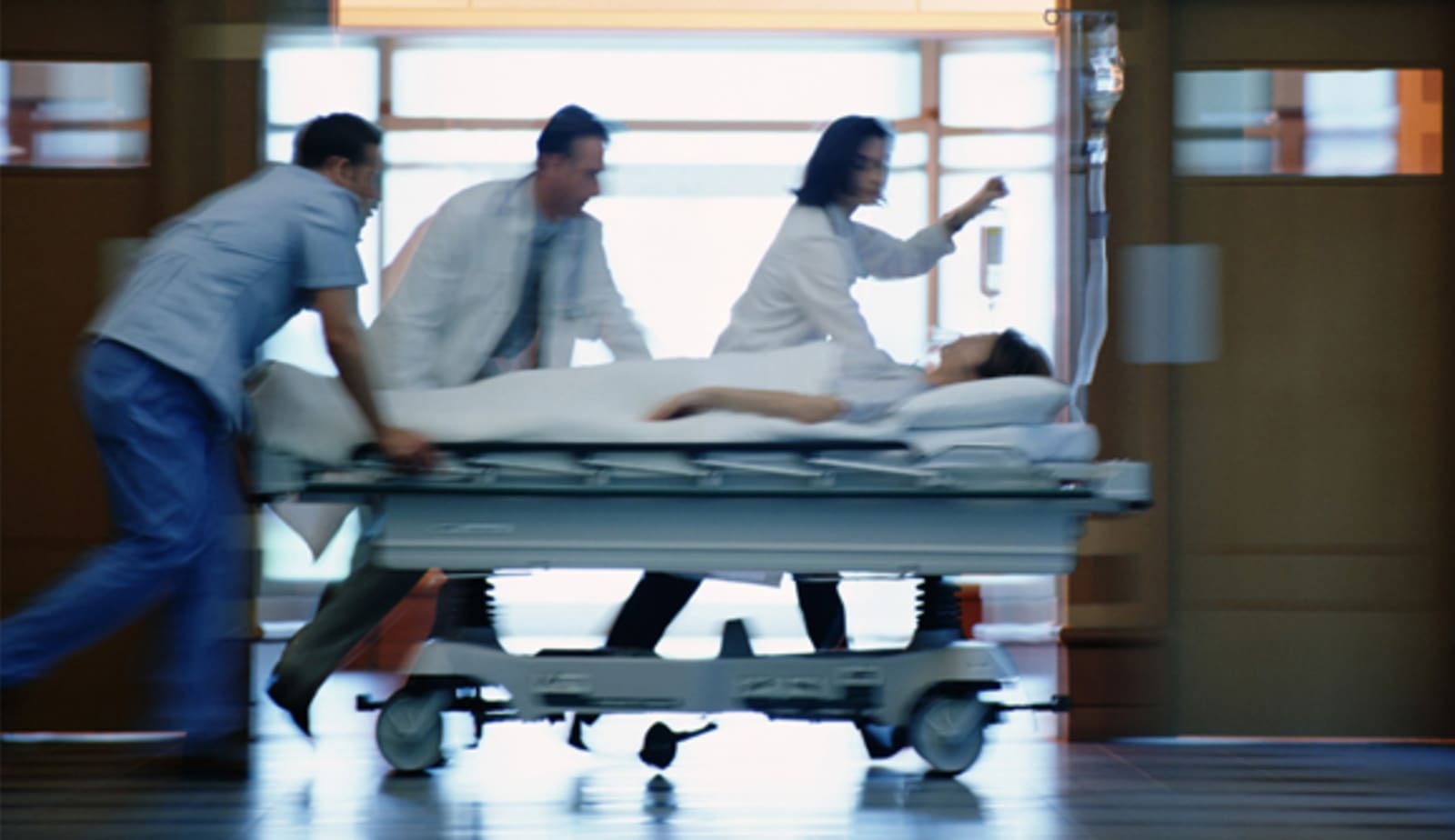
Early CPR and rapid emergency response are critical. But what happens after a patient reaches the Emergency Department can make just as much of a difference.
What happens after cardiac arrest?
Cardiac arrest occurs when the heart stops pumping, starving the brain and other vital organs of oxygen-rich blood. Death can occur quickly without medical aid.
Survival from cardiac arrest depends on a chain of events:
- Bystanders start CPR
- First responders deliver advanced interventions early
- Emergency medical services (EMS) provide rapid transport and continue treatment
- Hospital teams deliver advanced care
Recently, both Baptist Medical Center Jacksonville and Baptist Medical Center South were designated “Florida Resuscitation Centers of Excellence,” a recognition of advanced, coordinated care after cardiac arrest.
These centers use evidence-based protocols, specialized technology and close collaboration with EMS to deliver seamless care from the moment a patient is picked up by first responders throughout transport to the hospital and continued once there. This coordinated care is critical for improved patient outcomes.
Cardiac arrest care doesn’t end when a pulse is restored; it’s just the beginning. What happens in the minutes and hours that follow is critical to survival and recovery.

Baptist Medical Center South (pictured) and Baptist Medical Center Jacksonville were both named "Florida Resuscitation Centers of Excellence."
How to treat a cardiac arrest
Inside a Florida Resuscitation Center of Excellence, treatment may include:
- Immediate cardiac catheterization to treat underlying causes of the arrest.
- Advanced critical care monitoring and support.
- Coordinated, team-based care across specialties.
These interventions are designed not just to save lives, but to preserve quality of life.
Safety net for the community
What does this mean for people of Northeast Florida and beyond? An extra layer of protection in case the unexpected happens. People in our community can rest assured knowing our care teams are prepared when it matters most.
That said, members of the public also play a role in strengthening someone’s chance of surviving cardiac arrest.
You can help save a life by:
- Learning hands-only CPR.
- Knowing how to use an automated external defibrillator (AED).
- Calling 911 immediately.
When seconds matter most, the teams at Baptist Health Emergency Centers are ready to provide expert care. Find the ER location closest to you. Additionally, the American Heart Association offers Heartsaver CPR and AED trainings throughout the country. Find a course near you.
Source: American Heart Association