Little faces, big trends
Encouraging healthy habits for kids in the age of 'skinfluencers.'
Article Date:
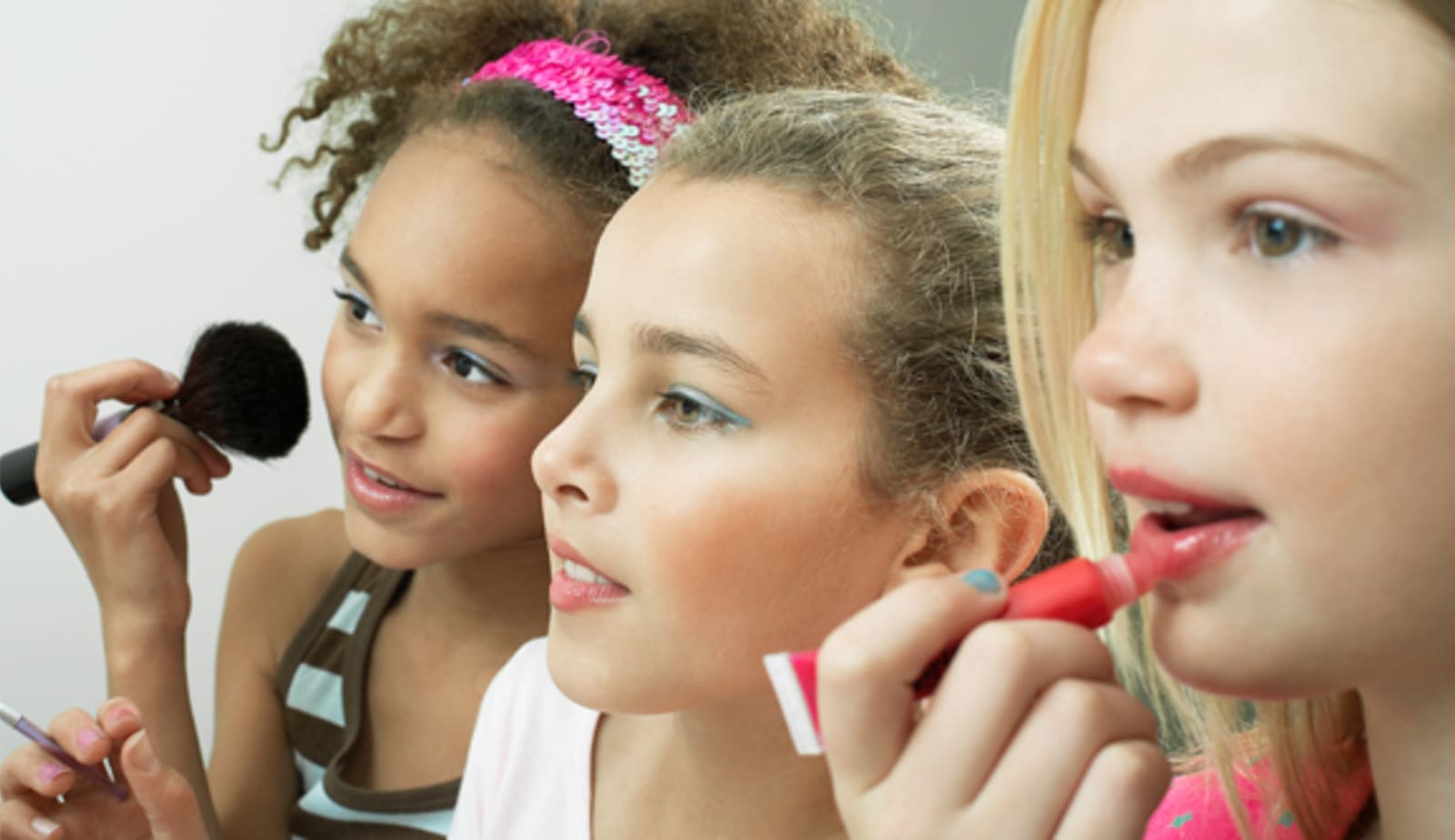
Do kids need an anti-aging skin care routine or top-of-the-line cosmetics?
Nearly 80% of girls 12 or younger in the United States use makeup or body products, according to a study published in the International Journal of Environmental Research and Public Health. More than half use these products at least monthly, while 12% use them daily.
This phenomenon has become a major boon for the beauty industry, with preteens and teens spending $4.9 billion annually on makeup, skin care and fragrance, according to Boston Consulting Group.
Social media platforms like TikTok and Instagram are a driving force behind this shift.
The impact of 'skinfluencers'
“Skinfluencers” are social media personalities who unpackage products, share tutorials and review skin care products. For younger viewers, this content has an impact on societal beauty standards and on the relationship preteens and teens have with their self-worth and esteem.
“Wearing makeup isn’t likely to lead to severe mental health concerns. It’s the messaging around societal beauty standards – often tied to using cosmetics – that can potentially produce negative emotions,” explained Francesca Varallo Sims, PsyD, director of education and training for Baptist Behavioral Health and Wolfson Children’s Behavioral Health.
Talking to kids about beauty trends
Parents play a key role in building healthy self-esteem, and the way they introduce kids to makeup matters.
Promote open communication by asking questions about your child’s sources of motivation and interest in makeup.
You might ask:
- What do you like about wearing makeup?
- How does it make you feel?
- What quality do you like most about yourself?
“It’s important to encourage children to identify the non-physical things they like about themselves and highlight their internal characteristics that aren’t tied to physical appearance, like being kind, funny, honest or a good friend,” she said. “This way, you can reiterate that their qualities go beyond a specific image or societal ideal. Remind your kids that it’s what’s on the inside, not how they look, that is admired the most.”
To keep the lines of communication open, make sure to check in with children regularly, whether about self-image or other day-to-day concerns.
Modeling positive self-talk to your kids
“You can communicate rules about cosmetics and expectations of beauty standards to your kids through your own use of makeup, such as how often you wear it, for which occasions, and the comments you make about your appearance with and without it on,” Dr. Varallo Sims said. “For instance, saying, ‘I can’t leave the house without makeup,’ or making other disparaging comments about your appearance within an earshot of the kids, may teach them that certain physical attributes and styles equate to being more ‘worthy’ or ‘good.’ This exemplifies an external motivation to use makeup as a means of reducing feelings of inadequacy or shame.”
By engaging in positive and confident self-talk about your appearance (or use of cosmetics), you can model a healthy, balanced self-image. If your child expresses interest in makeup, you can discuss the various uses, such as for costumes in creative dance or theater performances, or as a tool to enhance one’s natural features, Dr. Varallo Sims explained.
What age is too young for makeup?
“There's no scientific consensus regarding the role of wearing makeup on mental health and self-esteem, nor is there agreement on prescribing age limits for using cosmetics,” Dr. Varallo Sims said. “It's a personal decision, and each family may have a different view based on circumstances, cultural background, and preferences.”
Talking to your kids about mental health matters
If you’re interested in learning more about youth mental health, check out Common Thread, Wolfson Children’s youth mental health prevention and education program, for free resources and training for families and young people.


