TMS success
Noninvasive magnetic therapy provides relief from drug-resistant depression.
Article Date:
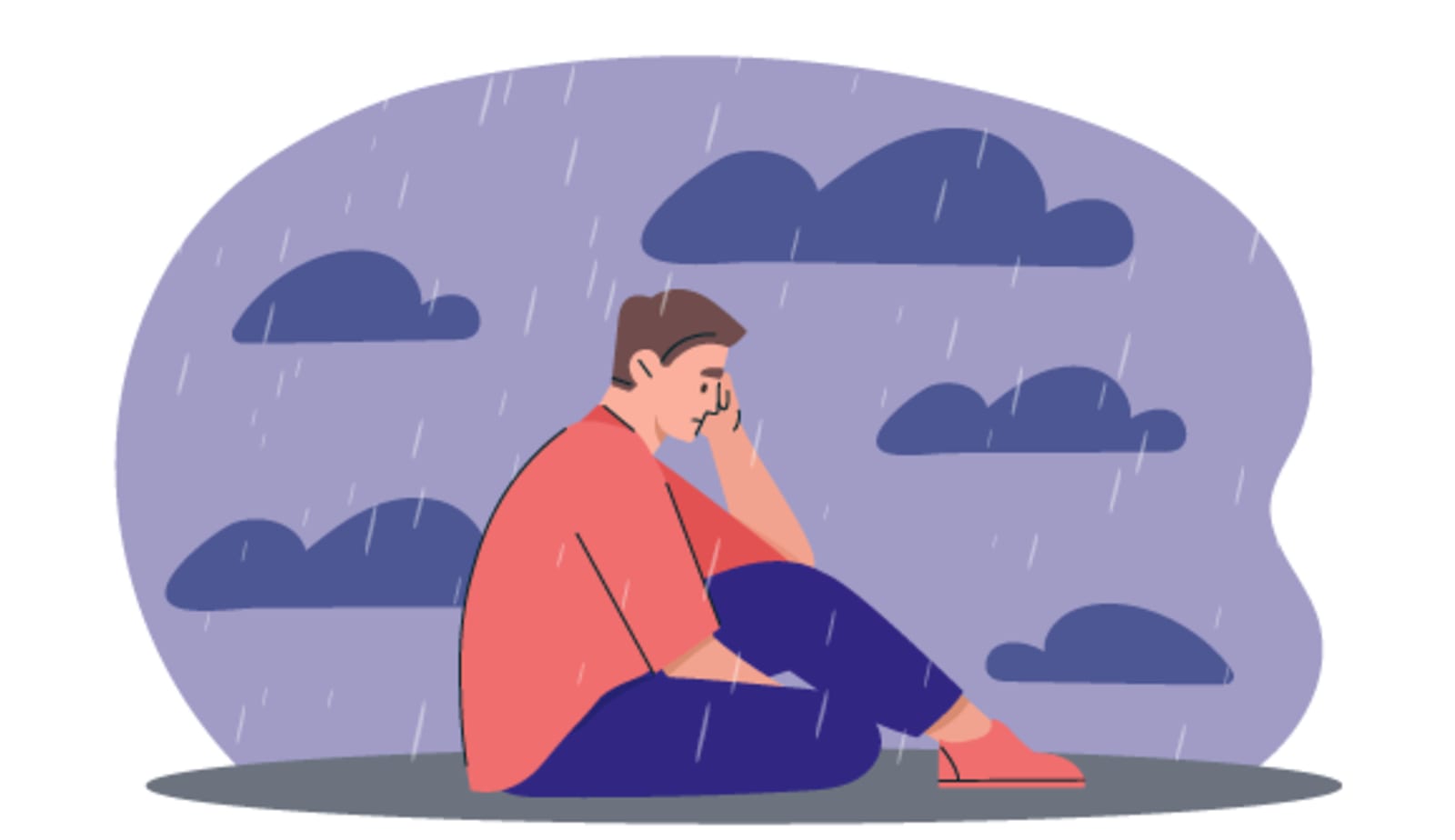
Just as new treatment approaches are developed each year for physical ailments and chronic conditions, the medications and technology used to treat mental illnesses keep advancing, too.
Traditionally, medications and psychotherapy have been the go-to treatment for conditions like depression, anxiety and panic disorders. Many patients also benefit from cognitive behavioral therapy (CBT), a type of therapy that helps develop coping strategies, or a blend of both therapy and medication. But not all cases of depression respond to these methods. Baptist Behavioral Health offers an alternative treatment approach for adults and adolescents: transcranial magnetic stimulation (TMS).
What is TMS?
“TMS is a noninvasive, safe and effective medical procedure that works by delivering highly focused MRI-strength magnetic pulses to stimulate the prefrontal cortex, which is the area of the brain that controls mood. It is FDA-approved for treatment-resistant depression as well as certain other conditions, including obsessive-compulsive disorder. In real-world practice, about half of our patients show significant improvement and about a third achieve remission,” said Shariq Refai, MD, MBA, a psychiatrist with Baptist Behavioral Health. “A TMS treatment session is conducted using a magnetic coil that we place on the scalp that delivers energy to the brain using pulsed magnetic fields similar to those used in MRI machines.”
Struggling with persistent depression
Gary Stoner, a retired pharmacist, has experienced depression for many years, but was unable to find an effective treatment.
“I’ve been in and out of counseling for a long time. I couldn't tolerate a lot of the medications I took, and I didn’t want to increase the dosage because I knew what some of the side effects were,” he said. “I gained a lot of weight with many of the medications, which didn’t help my depression.”
Gary's depression didn’t seem to improve despite trying therapy and a variety of prescription medications. Then, his wife passed away in 2018. Understandably, his depression worsened.
“My wife died eight years ago after being married almost 49 years. It was tough getting used to being alone. I’d go back to bed at 11 am and again at 1 pm just to try and get away from everything,” he recalled.
A weight lifted: Finding relief with TMS therapy
Marianna Georgiadou, licensed mental health counselor with Baptist Behavioral Health, recommended TMS treatment to him during an appointment.
Gary said he had nothing to lose since he was tired of being depressed, overreacting and having anxiety that crippled his ability to function. He decided it was worth a shot.
“I felt better after the first week," he said. "I looked forward to going to the appointments. After my first treatment, as I walked out to the car, I felt more energy, as if a weight had been lifted off my shoulders. That didn’t carry on 24/7, of course, but I had a lot of other [difficult] things going on in my life at that time. I didn’t experience many side effects, only some headaches.”
Gary agreed that, while he still deals with depression, he can tell TMS made a difference for him when nothing else had.
“I think TMS helped me cope with depression," he said. "The main thing is, it doesn’t take away the challenges you face, but it’ll make them easier to manage.”
What to expect from TMS treatment
TMS therapy follows a structured schedule and is designed to fit into your daily routine, making it a convenient, noninvasive option for managing depression.
“For most patients, the initial phase of TMS treatment involves around 30 treatment sessions over a four- to six-week period,” said Dr. Refai. “We usually do these as 20-minute treatment sessions each day, Monday through Friday. After this phase, treatment becomes more about maintenance. Maintenance treatments can be considered depending upon individual needs, and the patient can schedule those at any time.”
Because TMS is an outpatient procedure, it’s an accessible option for patients.
“TMS doesn't involve medications or surgery, and it’s done in an outpatient setting with no interruption to your daily life, no anesthesia needed, and is generally well tolerated with the most common side effects being scalp discomfort or headaches,” Dr. Refai said. “Also, most major insurance carriers now cover TMS treatments.”
Is TMS right for you?
The best way to determine if TMS is right for you is by speaking with your doctor, psychiatrist or another qualified mental health care professional.
“We screen each patient to ensure that TMS is administered only when it’s medically advisable,” explained Dr. Refai. “It's most appropriate for patients with an inadequate response to at least two antidepressants and who have no implanted metal from past surgeries or injuries. We'll determine together whether it's the right fit before ever beginning treatment.”
TMS treatment is available in Jacksonville
If you're interested in TMS treatment or other mental health services offered by Baptist Behavioral Health, call 904.376.3800 to make an appointment.
For additional information, go to baptistjax.com/depression and to view patient videos.