Shades of pee
What your urine says about your health.
Article Date:
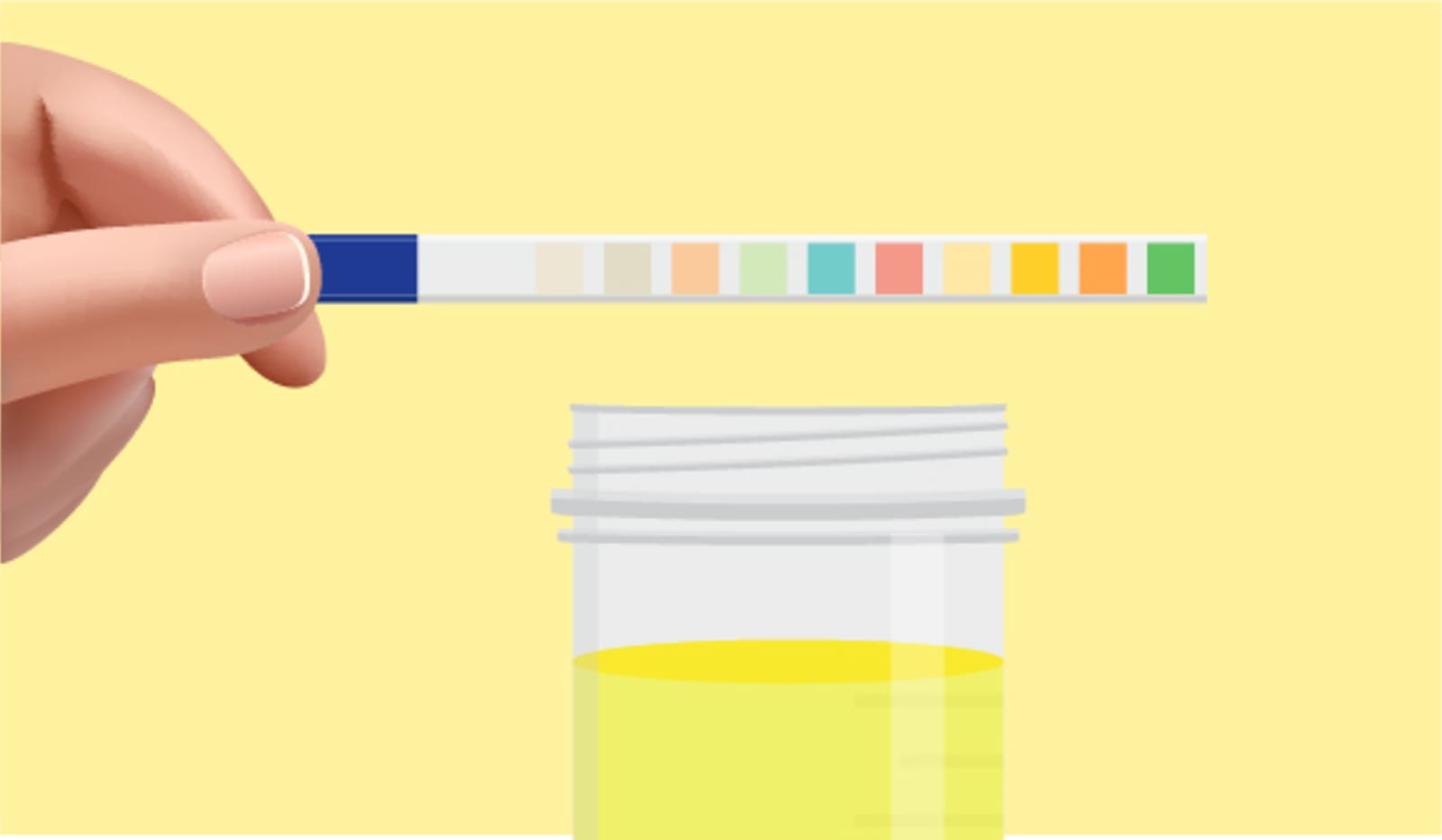
After using the restroom, there’s a reason you should look before you flush.
Miguel Jurado, MD, a family physician with Baptist Primary Care, said urine can signal problems within the body.
“Urine can be a good indicator of your hydration status,” Dr. Jurado said. “But it can also be used to identify underlying health issues such as infections and chronic conditions.”
What different urine colors can mean
The yellow color of urine comes from a pigment called urochrome, which is produced when the body breaks down hemoglobin in red blood cells. The more water you drink, the more diluted that pigment becomes, and the lighter your urine appears.
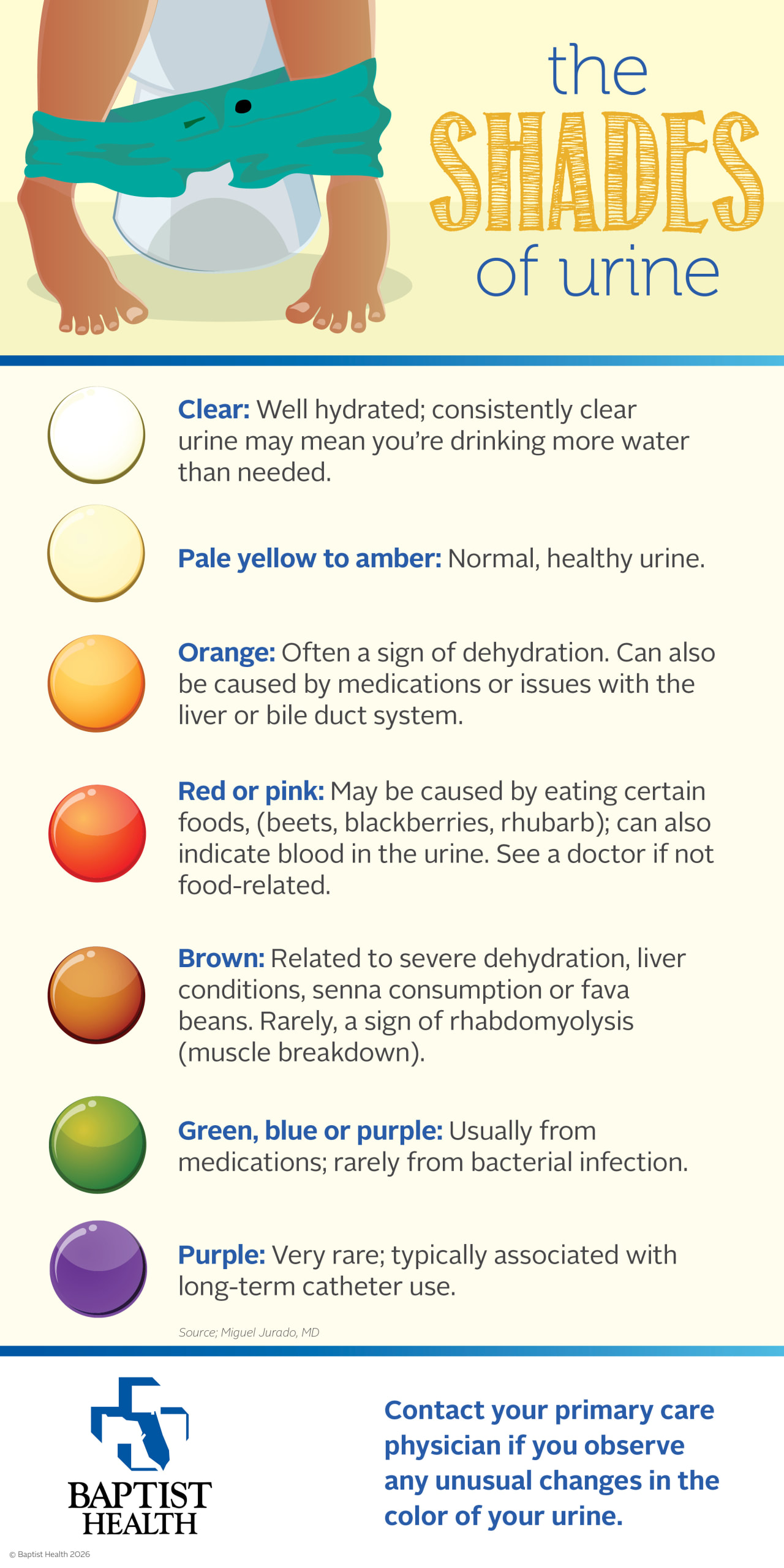
Clear pee is a sign of good hydration. In some cases, consistently clear urine can indicate you’re drinking more water than your body needs. Contrary to popular belief, a normal, healthy shade ranges from pale yellow to a darker yellow hue. Color can fluctuate throughout the day and any shades within this range shouldn’t be a cause for alarm. But if you notice your urine is on the darker end, it may be time to grab some water.
Certain foods can give your pee a red tint – beets, blackberries and rhubarb are common culprits – and are usually harmless. However, a red hue can be a sign of blood in the urine (hematuria), which may be caused by an infection, kidney stones, or in some cases, bladder or kidney disease. Red or pink urine that isn’t attributed to something you recently ate should be evaluated by a doctor.
Urine that appears orange can mean you’re dehydrated. Drinking more water should help your urine return to a healthy hue. Some medications like phenazopyridine (used to relieve urinary tract infection symptoms), rifampin (an antibiotic), and sulfasalazine (an anti-inflammatory) can cause orange urine. But orange pee can also signal issues with the liver or bile duct system.
Brown urine can signal severe dehydration. Other causes include liver issues or laxatives containing senna, an herb used to treat constipation. In rare cases, it can also be a sign of a life-threatening condition called rhabdomyolysis, a rapid breakdown of muscle tissue.
Completing the rainbow, green, blue and purple pee occur much less frequently. They are most commonly caused by food dyes or medication, but in rare cases, may be the sign of an underlying health issue.
Foam and smell can also indicate health issues
Persistently foamy urine can be a sign of protein (proteinuria), which may indicate kidney disease and should be mentioned to your doctor.
Urine odor can also provide clues: a strong ammonia smell may suggest dehydration or a urinary tract infection, while a sweet or fruity odor can be associated with uncontrolled diabetes.
When should you see a doctor about changes in urine?
The standard rule to take away is that if you’re noticing changes in color, smell or consistency of your urine that last more than a day or two, it’s time to call your doctor.
“Any persistent or unexplained changes – especially with other symptoms – should be evaluated by your primary care provider,” Dr. Jurado said
Noticing changes in your urine?
To find the right doctor for you, use the Find a Doctor tool or schedule an appointment online.


