Heart aflutter?
Everything you need to know about palpitations.
Article Date:
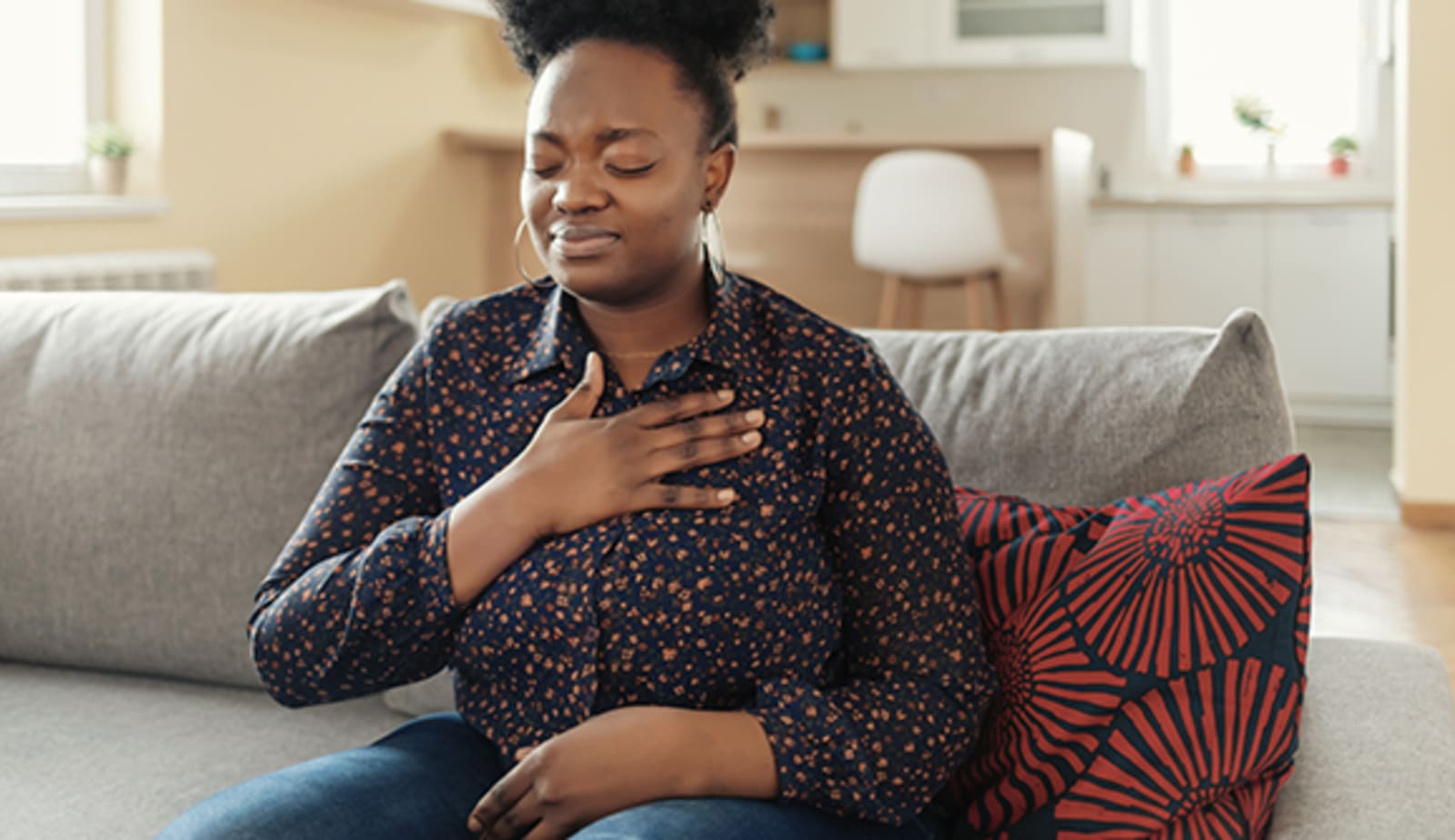
“My heart skipped a beat” is a phrase often used to describe something shocking, but for many people, that feeling happens for real every day.
Heart palpitations are a feeling of skipping, stopping or fluttering in the chest. They're most common in young and middle-aged women, according to Alejandro Peña Jr., MD, board-certified cardiologist with Baptist Heart Specialists. Here’s what this heart expert wants you to know about those odd sensations in your chest.
What causes heart palpitations?
Palpitations can occur on their own or be a symptom of other heart conditions.
“Palpitations can be triggered by a variety of factors, although in some cases, no clear cause is identified,” Dr. Peña said. “Most are benign, and may be worsened by things like drinking too much caffeine. However, in some instances, they can signal a more serious condition, like supraventricular tachycardia, which is an abnormally fast heartbeat that can go on for several minutes to an hour and can cause dizziness.”
Persistent, recurring heart palpitations can also be caused by hyperthyroidism or hypothyroidism (overactive or underactive thyroid), adrenal disease, vitamin deficiency or anemia.
How do I know if palpitations are serious?
If you have those fluttering, skipping or pounding sensations in your chest, how will you know when it’s time to see a doctor?
“If it’s bothersome enough to affect your day, go ahead and get it checked out. For the most part, palpitations aren't anything serious, but we may uncover something else,” said Dr. Peña.
Diagnosing irregular heartbeats
“We’ll usually have you come in and do an electrocardiogram (ECG), listen to your heart and often I’ll do an ultrasound of the heart,” said Dr. Peña. “Then we do a short-term rhythm monitor for seven to 14 days so we can identify what’s going on. If it’s just a couple of seconds during the day, it may be associated with stress or anxiety, or something benign like premature ventricular contractions (PVC), which can feel like your heart skips a beat. These are usually not dangerous, just annoying.”
After examining all of this information, your doctor may prescribe medications or consider other treatments depending on the cause of those irregular beats.
Lifestyle changes can help
The good news is that there are lifestyle changes you can make to help reduce the frequency of your heart palpitations. Dr. Peña said options include reducing your caffeine intake, limiting alcohol, exercising, getting enough sleep and reducing stress. If you have a vitamin D or magnesium deficiency, or may be low on electrolytes, adding more of those to your daily regimen can help, too.
Dr. Peña does caution those with palpitations that if they last for more than 20 minutes at a time – and they’re accompanied by dizziness, chest pain or shortness of breath – it’s safest to head to the Emergency Room to make sure it’s nothing serious.
Does your heart skip or flutter?
If you have heart palpitations and would like an expert to weigh in, Baptist Heart Specialists is here for you. Call 904.720.0799 or request a cardiology appointment online. When you understand your current heart health, you can take steps to prevent a serious cardiac event, like a heart attack. Take the short Heart Health Quiz to get a free, detailed risk report with personalized information, including suggestions for preventive care or resources to make an appointment.