Are fad diets bad diets?
Pros and cons of popular diets.
Article Author: Beth Stambaugh
Article Date:
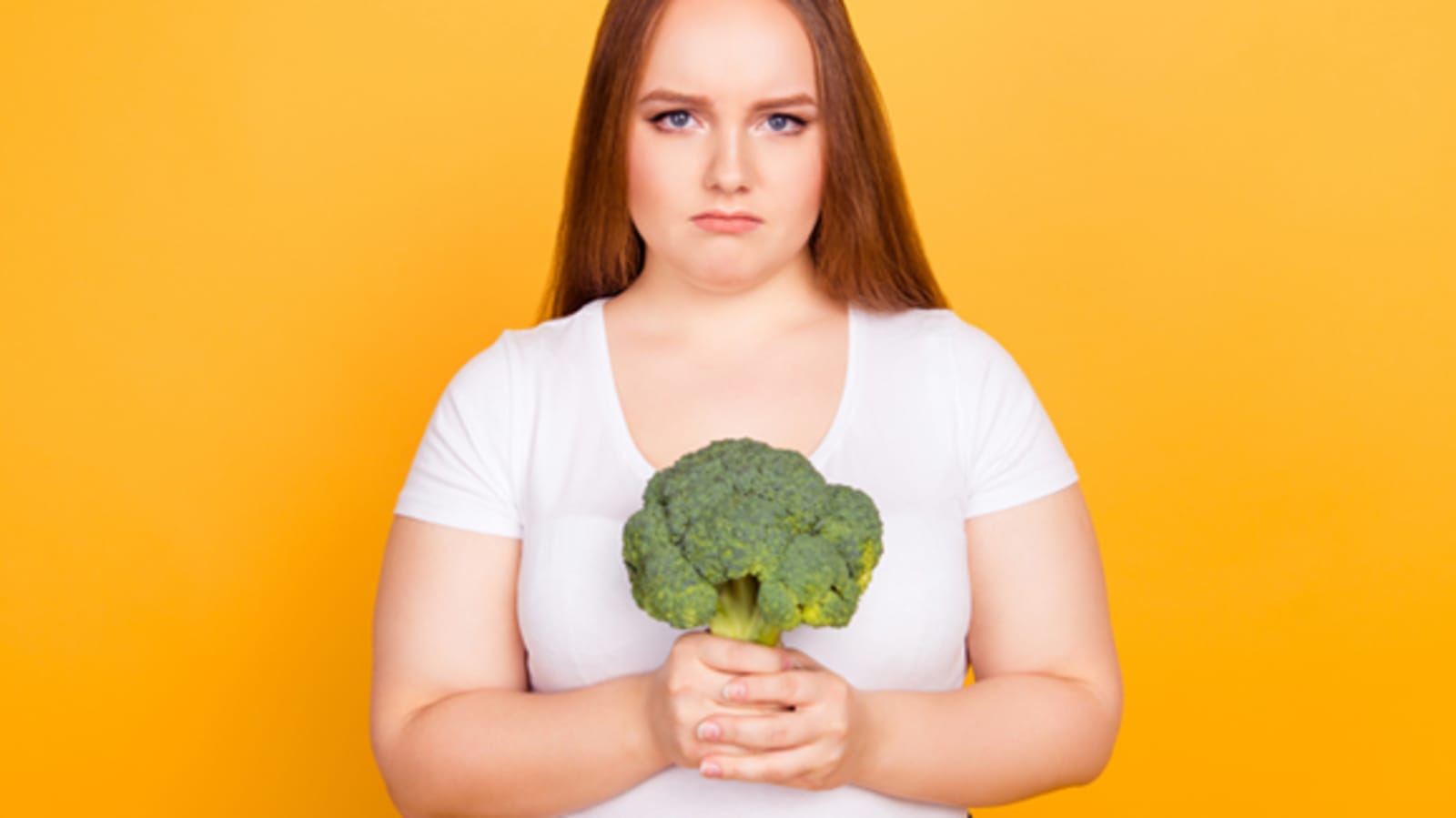
Just like fashion, fad diets come and go. In the '60s, it was the cabbage diet, promising you could lose 10 pounds in seven days by eating as much cabbage soup as you'd like (no, thank you!). Then came the Scarsdale Diet, the Hollywood Diet®, the Cookie Diet, The South Beach Diet, the No-Sugar Diet, the Paleo Diet®, the Keto Diet, and the list goes on.
"Fad diets have healthy elements, but they usually lack the full range of vitamins and nutrients your body needs long term," said Patricia McFall Calhoun, MD, FAAP, a family physician with Baptist Primary Care. "Many restrict you to only a few foods, so it's hard to maintain these diets, as most people get tired of eating the same thing over and over again."
Breaking down current diet trends
Keto
This diet, along with most low-carb diets, causes your body to go into a state of ketosis, which happens when it doesn't get enough carbohydrates. Because your cells don't have enough carbs to burn for energy, your body burns fat instead, creating ketones, which can also be used for energy. Some people say the high-protein, high-fat diet makes them feel fuller.
Something to consider: because the keto diet may increase your low-density lipoprotein (LDL), if you have high cholesterol or heart disease, it's important to check with your doctor, as more frequent bloodwork may be needed. Also, if you have diabetes, particularly type 1 diabetes, this diet may even be dangerous.
Low-carb/Atkins-type diet
While similar to the “keto diet,” Atkins-type diets focus on keeping carbs low while allowing hearty protein. Because both strictly eliminate whole grains and fruits, nutrient deficiencies can develop as well as digestive issues due to the lack of dietary fiber.
Paleo
Think caveman; pretty much anything our ancient hunter-gatherer ancestors ate. Grass-fed, lean meats and fish, fruits, vegetables and healthy fats like nuts and avocados are the mainstays. Grains, dairy, processed foods and sugar are out, but occasional alcohol (as long as it's not grain-based like beer) is OK. While most people report losing weight on this diet, it can be expensive due to the limited food choices and the absence of processed and packaged food.
Intermittent fasting
This eating plan focuses on when you eat more than what. It centers around set intervals of eating and fasting. While exact schedules can vary, a popular one is fasting for 16 hours followed by an eight-hour eating window, typically morning until early afternoon.
Juice cleanse
Called "juicing," this diet is a great way to reach your daily fruit and veggie quota. Unfortunately, you don't get the fiber that comes from eating fresh fruits and vegetables because the juicer leaves the pulp (containing fiber) behind. Fiber helps you feel full, so it's common to feel hungry when juice cleansing. You don't get the protein you need either, which could cause you to lose muscle mass. Combine all of that with the fact that fruit can have a lot of calories, and you might want to rethink pulling that blender out of storage.
A healthier approach to eating
As you've probably heard from many experts, one diet that Dr. Calhoun does recommend is – yup, you guessed it – the Mediterranean diet, which focuses on fruits, veggies, whole grains, fish, seafood, olive oil, beans, nuts and legumes. Limited amounts of meat, poultry and eggs are allowed. Alcohol, particularly red wine, is acceptable, with no more than one daily glass for women or two for men.
"Other plant-based diets, particularly low-fat vegan/vegetarian options, may show slightly more anti-inflammatory properties than the Mediterranean diet, although they're difficult for those accustomed to consuming meat regularly," said Dr. Calhoun. "Remember that you can still gain weight on the Mediterranean or plant-based diets if you take in too many calories. Portion control, regular exercise and calorie balance are all very important."
Regardless of your eating plan, Dr. Calhoun's diet suggestions include avoiding packaged and processed foods.
"Neither chips nor cookies are on any of these diets," she said.
And it's important to stay away from what Dr. Calhoun calls the "wicked whites": rice, bread, pasta and potatoes. Whole-grain versions are better options.
"This is a good way to avoid unnecessary calories that have little nutritional value."
Focus on sustainability
Despite some of the potential drawbacks, Dr. Calhoun doesn't rule out the popular diets completely.
"If you're healthy and your doctor says it's OK, it's fine to try one of these diets to jump-start your weight loss, but some can be very hard to sustain indefinitely," she said.
Overall, Dr. Calhoun emphasized the importance of finding something you can stick to.
"Rather than focusing on a 'diet,' focus on a healthy lifestyle, not a quick-fix. It's a marathon, not a sprint."
Need help with healthy eating?
A primary care doctor can help you find an eating plan that works for you. Find a primary care physician through the Find a Doctor tool, or you can schedule an appointment online.


